Cracking the Code of 2021
Businesses with QR codes and near field technology expand.
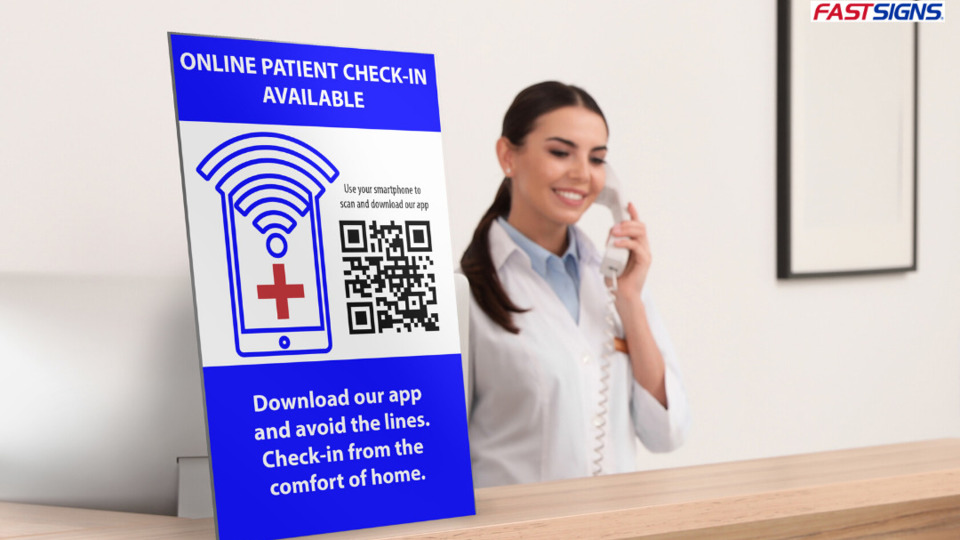
As businesses start to open back up, the way businesses interact with their customers has changed. “Contactless” has become the key phrase, and merging print media with digital media is key to unlocking the way forward in today’s pandemic-recovery world.
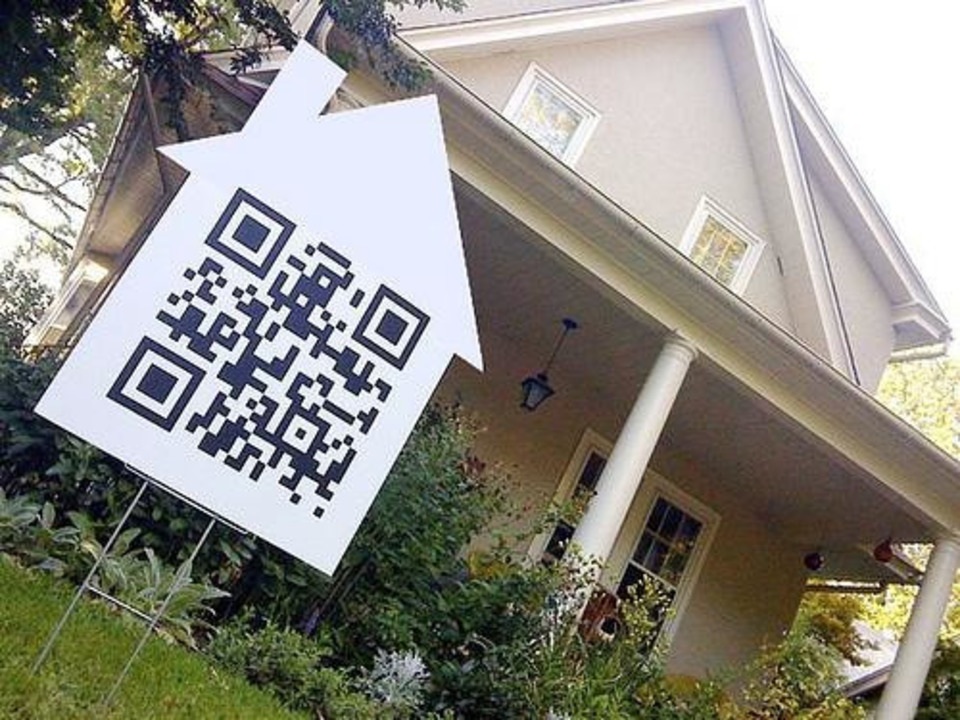
QR codes and Near-Field Communication (NFC) enable customers to make a static sign digital in a simple way. Imagine being able to scan a code or tap your phone to a static sign, and an image, video, website, contact card or map location instantly pops up on your phone. These protocols enable the static world to become digital and dynamic.
QR codes and NFC have been around for years, however NFC has recently become more available since Apple opened up their restrictions on NFC to only ApplePay. Android phones have had this ability for many years, but now that both platforms allow the use of NFC tags to trigger a multitude of links to different digital assets, things are really getting interesting. QR codes are easy to create online for a web link to virtually anything, and that same link can be encoded into an NFC tag depending on the abilities of the smartphone. Most of the time, both are offered to cover all of the bases.
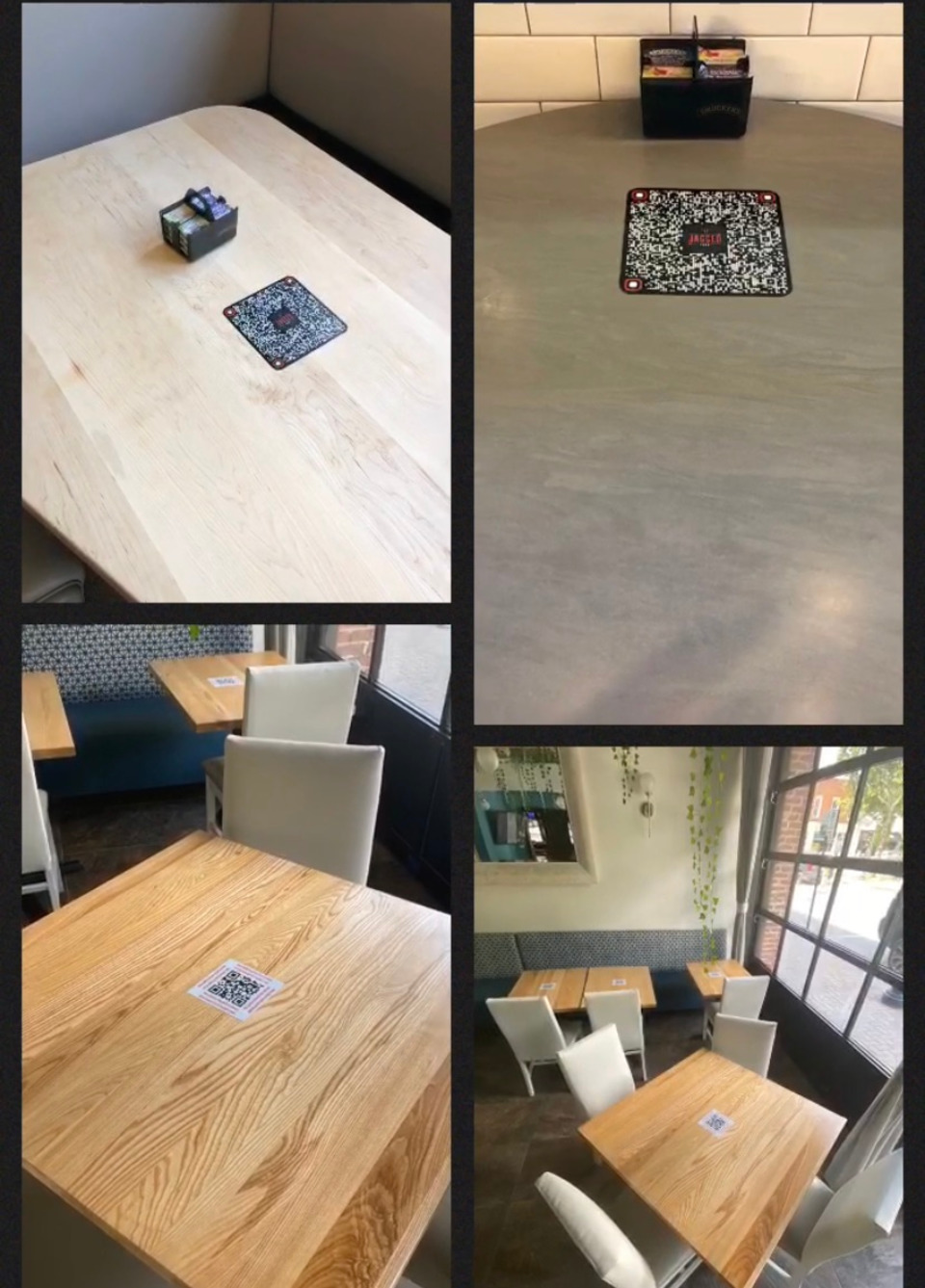
Restaurants have shown fast adoption of QR codes for serving up digital versions of menus, and of course this can be combined with NFC tags for broader compatibility. Brent Walker, franchisee at FASTSIGNS of Detroit, Mich. - Downtown, has worked with three restaurants in his market since the pandemic began. Each business has its own amazing branding and interior decor. When the pandemic first hit and it was recommended that restaurants start using disposable menus, Walker saw it as a great opportunity to present custom designed QR menus to them to incorporate their branded colors and their logo.
“I had been to other restaurants that were printing menus on regular printer paper and taping them to the tables. It worked, but the tape became dirty fairly quickly, and the overall appearance wasn't great. I knew some of our clients in the restaurant industry would want to continue to hold their brand to a high standard even with QR codes. We created samples, both tabletop QRs that stuck to the table and also table tent style that could easily be moved around,” Walker said. “We presented them to our clients, and they loved them.”
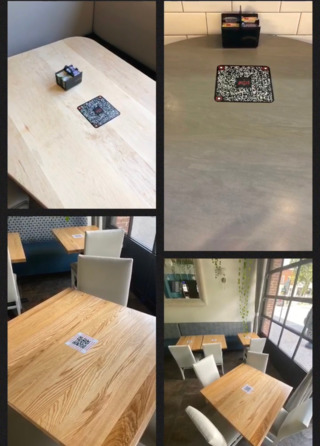
Walker said that QR codes didn’t really become popular when first introduced into the market, because they did not need to be. The traditional style menus worked well, so there was never a need to change or implement something new. Once the pandemic hit, the need for change was evident because no one was confident about the safety of reusing menus. With the majority of people owning a smartphone, QR codes were a logical and simple solution.
Even though more information has come out that reusing menus is relatively safe, Brent believes that QR menus are here to stay. Customers are comfortable using them now, and from the owner's perspective, it is a huge cost savings as the owner does not have to reprint menus with every change. One restaurant owner shared that he would spend $5,000-$7,000 a year on menus.
In addition to QR codes, Walker and his team continually brainstorm about trending topics and the next big idea in the industry. Their ability to think ahead and adapt has led them to success.
“It would have been very easy to get down and feel sorry for ourselves over the last year, but we knew that wouldn’t bring us business," Walker said. "The team has continued to show up and work hard every day with determination and perseverance. We are thankful for the opportunities that we have had and will look for more opportunities to capitalize on in the future.”
This type of option isn’t only for restaurants, though. It’s also ideal for use in museums where an exhibit can use a QR code and/or NFC tag to enable the viewer to pull up a video that explains more about the exhibit or bring up a map location to the next exhibit building. They will even be advantageous in the coming days during a trade show or networking event. Imagine having an NFC tag on a name badge and when someone taps it with their phone, they have all of your contact info. The possibilities are truly endless across a variety of industries as the “touchless” aspect will continue to be of interest to the public moving forward.