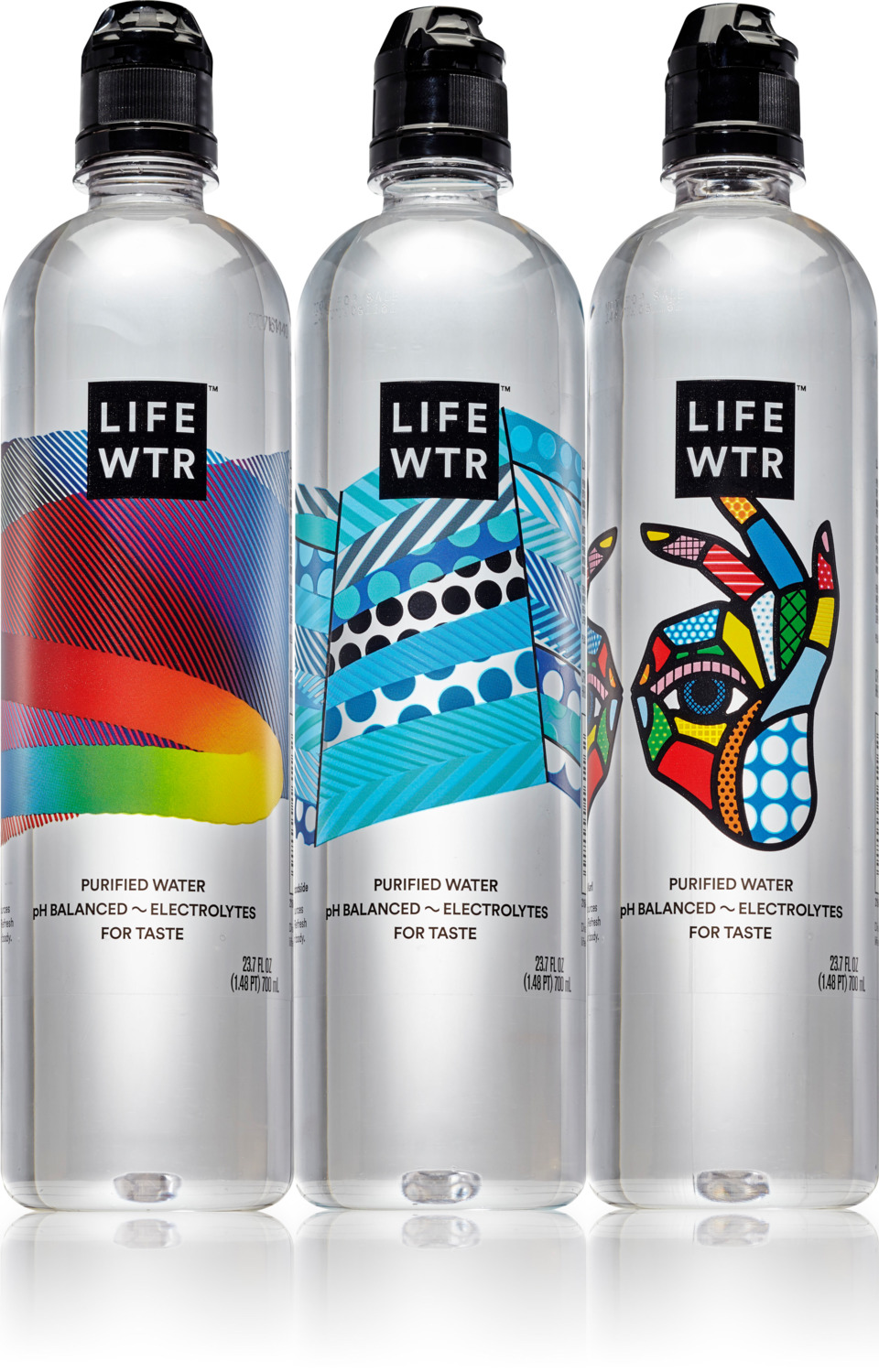
Impress Consumers with Labels Worthy of a WOW Factor
High-quality packaging is simultaneous with high-quality product in the minds of the consumer. Make sure your labels stand out of the crowd.
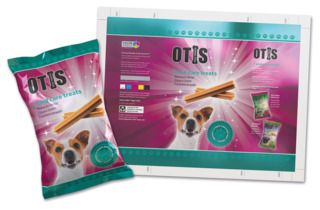
Among the trends underscoring today’s labels, according to industry experts: personalization, the ability to perform a host of functions, and an increase in the ‘wow' factor.
Noting that one-third of adults think high-quality packaging is an indication of whether the product inside the packaging is of high quality, Anh Marella, marketing director of films for Avery Dennison Label and Packaging Materials, indicates a trend in packaging moving toward higher-end markets as a way for companies to differentiate their brands to attract consumer attention.
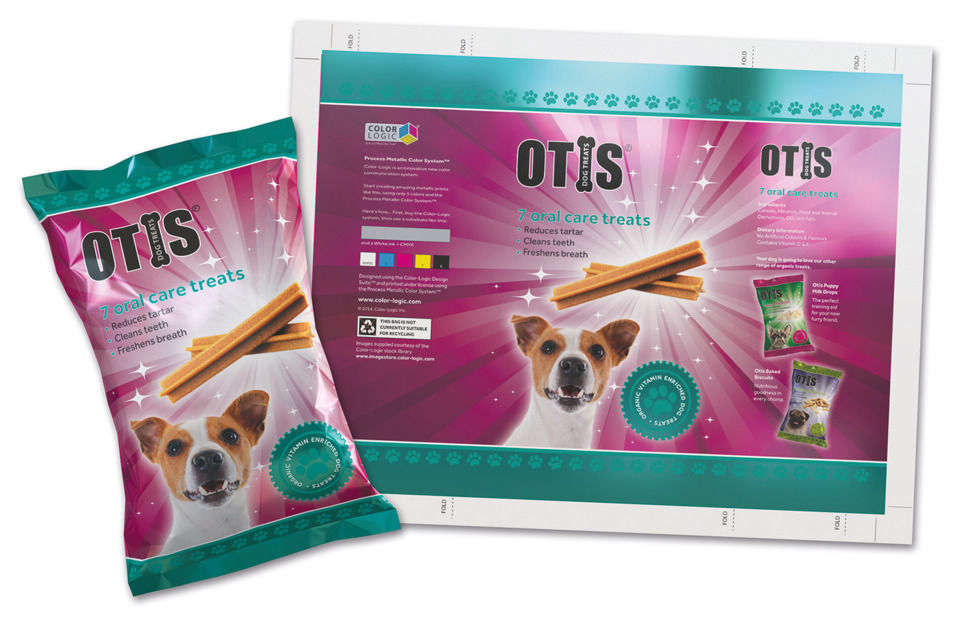
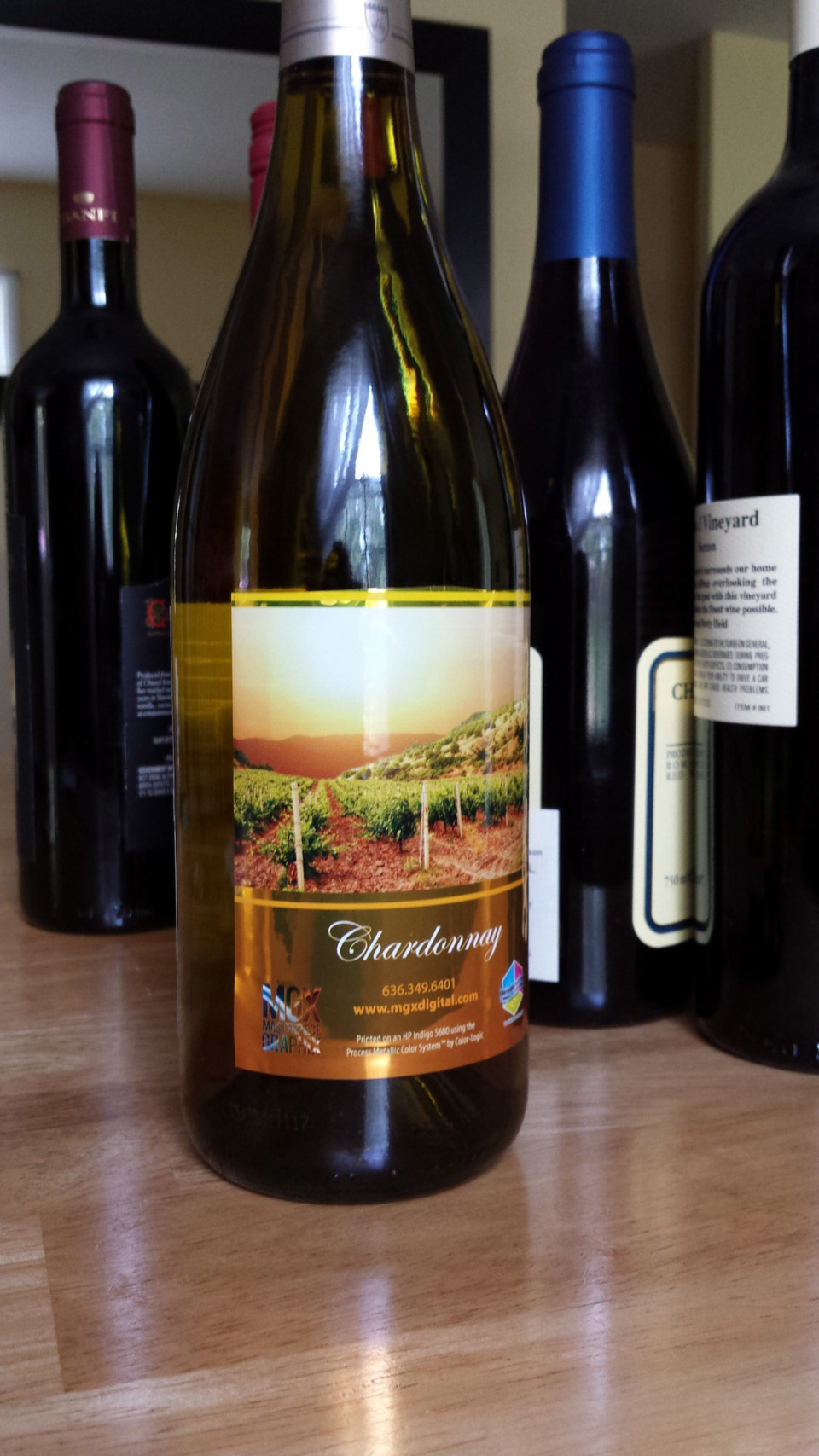
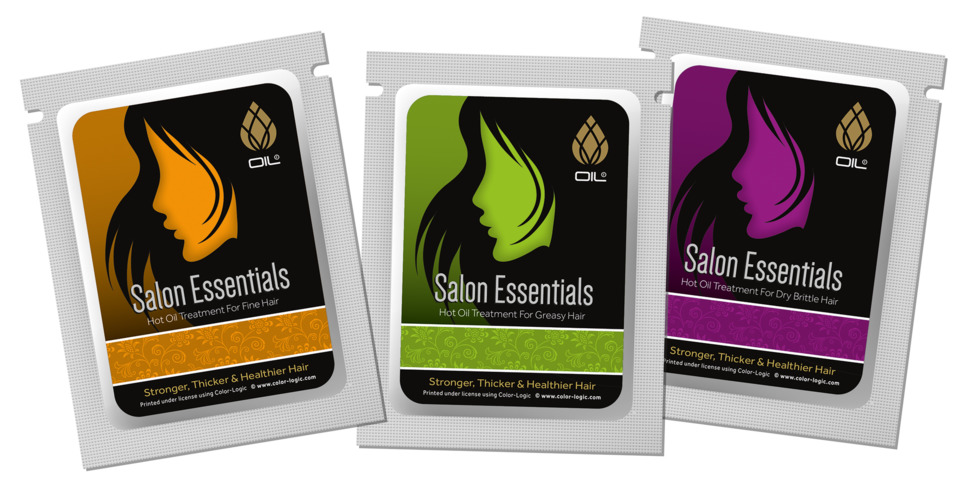
Mark Geeves, ColorLogic director of sales and marketing, concurs, noting two trends that speak to the need for companies to stand out from their competition. “Spirits and luxury brands continue to drive towards metallic substrates or foils with white ink plus CMYK so their labels have the ‘wow' factor on the shelf,” he said, adding there’s a trend among larger companies considering using silver ink and CMYK with ColorLogic’s software to keep the ‘wow’ factor while doing so at lower costs. “One common theme is protection from counterfeiting, which is something we are working on in helping our brand clients who are using white ink on metallic substrates or with silver ink on CMYK with label applications,” said Geeves.
Personalized labels — such as the name-based labels used on Nutella products continue to be in demand by brands as people want to identify with and relate to the product they are buying, said Marella. Mellissa Campbell, Masterpiece Graphix marketing coordinator, agreed that “a unique one-to-one packaging to cater to the growing focus on self in society” — is a growing trend.
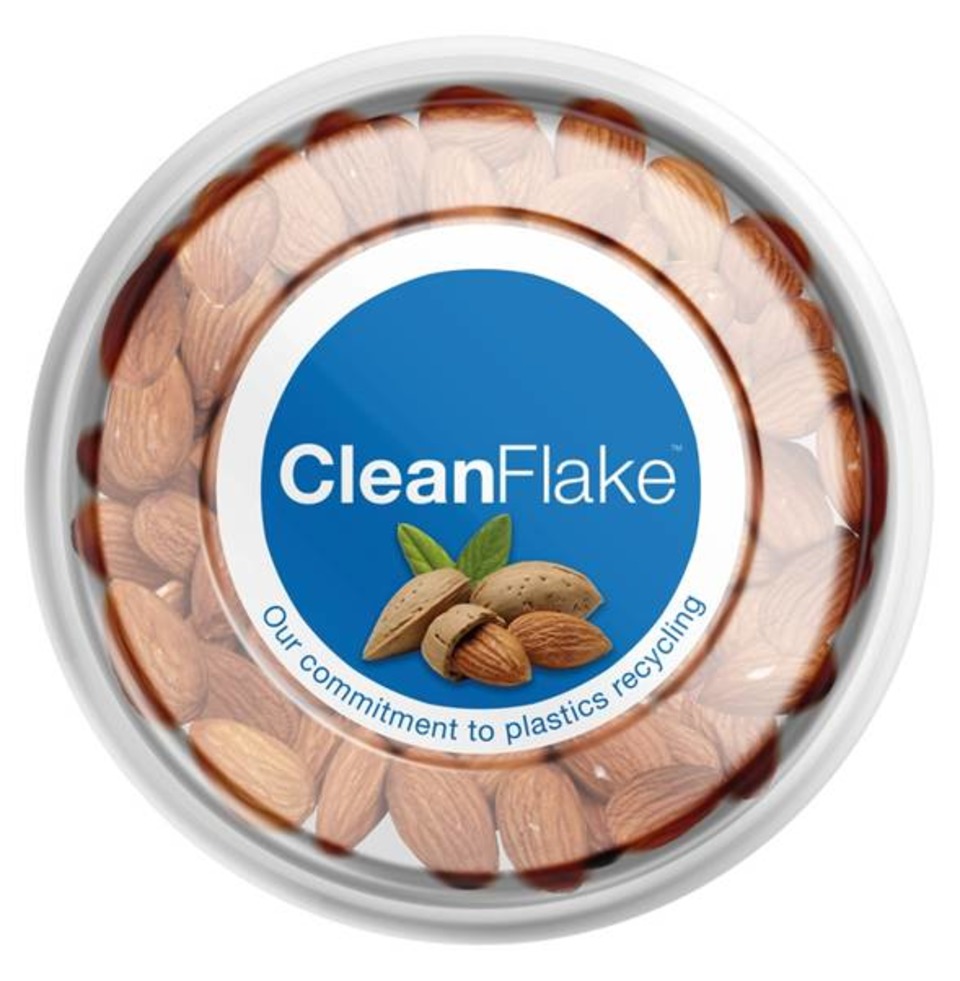
Responding to a growing demand for environmentally-friendly products, Avery Dennison Label and Packaging Materials’ up and coming product is CleanFlake. The water-based recyclable adhesive adheres to a PET bottle until it gets to PET plastic recycling where the cohesive bond is broken at the recycler in the sink/float process. It is designed to allow the face stock and adhesive to cleanly separate from the PET flake, resulting in pure PET flakes, the conservation of virgin PET resources, and less landfill waste.
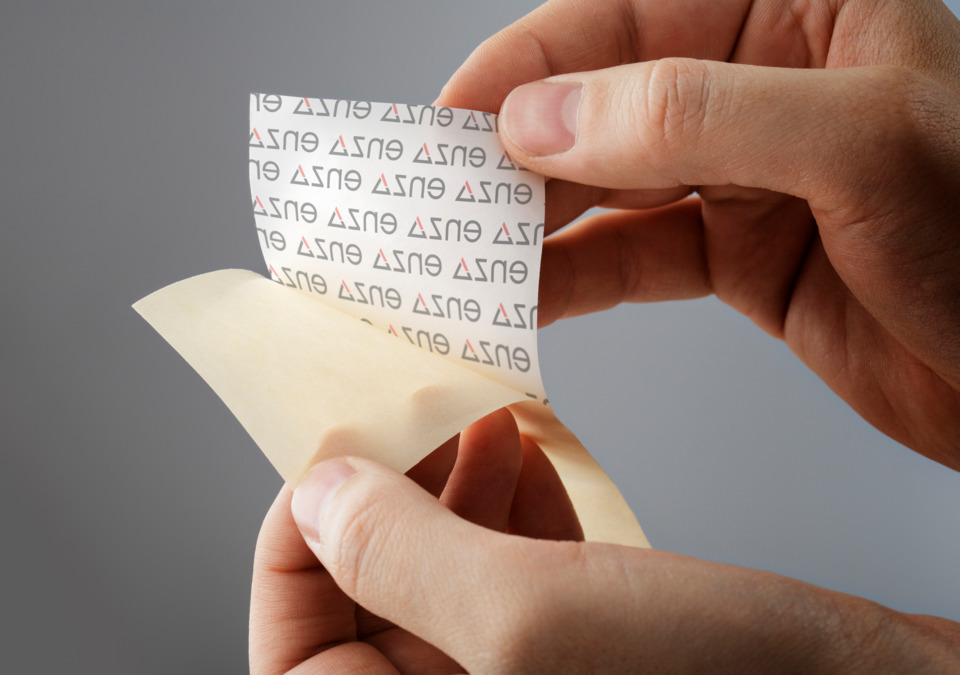
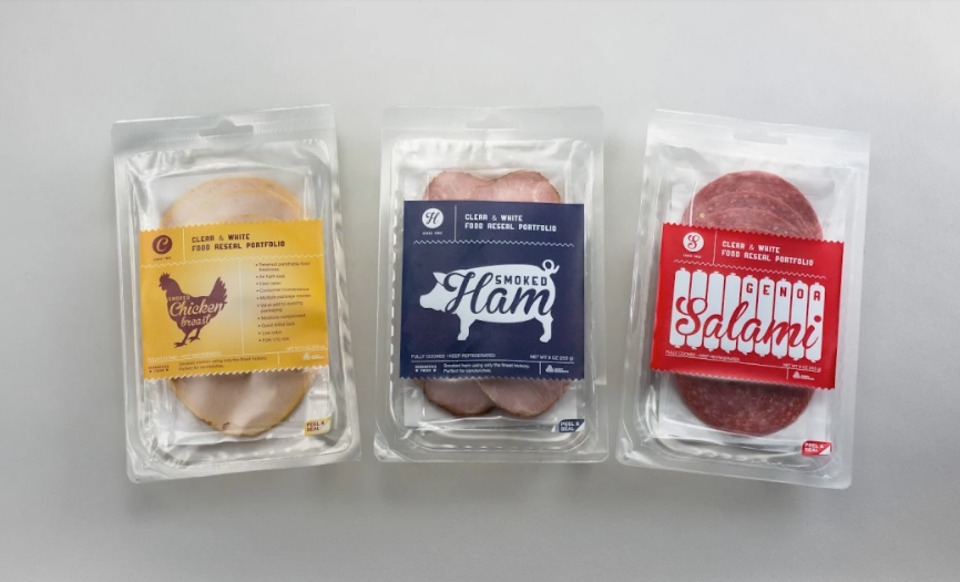
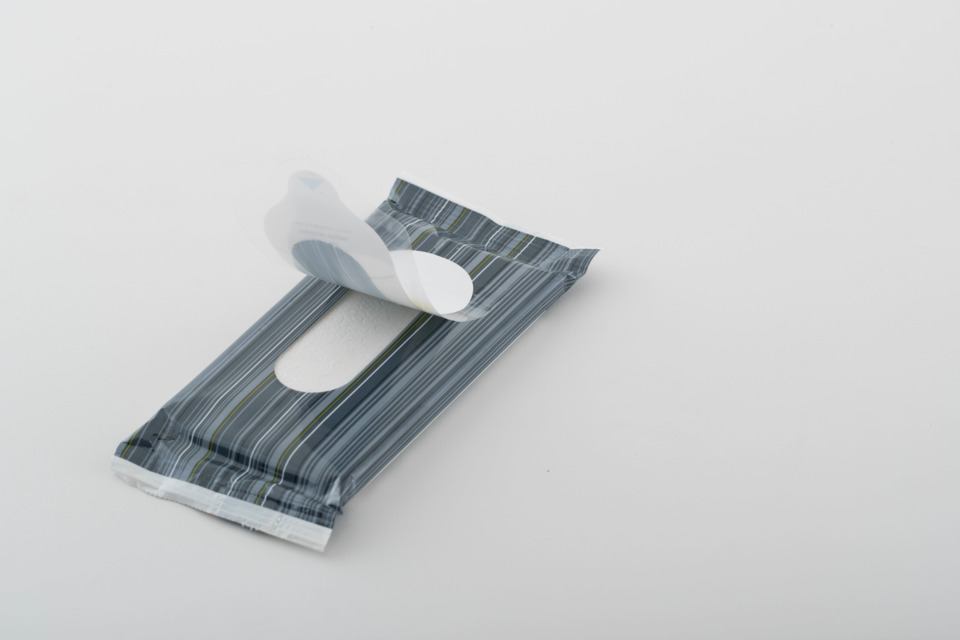
“Another really cool thing we’re seeing is re-closure labels,” Marella pointed out. “Consumers are valuing functional packaging. We’re all leading really busy lives and we value ease of use.” Look for more packaging with ultrasensitive labels based on a new technology in closure systems using pressure-sensitive labels, she says. The labels also function as closure for the packaging “so that you can seal and reseal versus having to use a zipper or a snap lid container or a thermoform package,” noted Marella, pointing out one such application can be found at the deli meat counter.
Ian Lifshitz, vice president of sustainability and stakeholder relations, the Americas, Asia Pulp & Paper (APP), notes that in the grocery aisle, retail-ready in produce packaging is shifting from foam trays to machine-glazed or bio-polymer coated kraft board. “In both grocery and convenience retail, quick-serve, pre-packed, ready-to-consume meals, and snacks also are shifting from complete foam and paperboard boxes and containers to partial boxes serving as trays with the food having a barrier-coated paper or machine-glazed board like Enza Kraft, with both a flexible paper wrap and a clear cellophane or poly outer wrap,” said Lifshitz. “Using these packaging products, the food can be ‘on-the-go hand-held’ and easily consumed. Many brands are switching from polypropylene pouches to bio-polymer coated paper, which is plant-based and can be heat-sealed for a re-sealable closure.”
Plant-based bio-polymer combinations have become a widely-used substrate on products such as the Bio Natura Cup from APP, says Lifshitz, adding the cup is suitable for both hot and cold liquids and foods, providing a wide range of applications including ice cream containers, soup and cereal cups for single servings and take-out foods.
A higher penetration of Pressure Sensitive Adhesive Labels (PS) in growing markets is leading to significant volume growth in the pressure sensitive segment, notes S. Satish, global head — sales and marketing for Cosmo Films. “Brands are bound to shift to PS media from other decorative media in lieu of flexibility, increased number of SKUs, better shelf appeal solutions, and faster turn-around time,” said Satish.
Another trend: labels with sensory appeal, utilizing textured varnishes and overlaminates to deepen customer engagement, says Campbell.
There also is a trend toward “interactivity — better connection between customers and brands in order to affirm choice and fuel loyalty,” she added.
“Brands are constantly searching for the most unique, attention-getting labels and packaging,” Campbell pointed out. “Labels need to have a little extra something to draw our eye. This something extra can be accomplished by using a combination of graphic design and specialty label materials.”
Example: printers can use metallized pressure sensitive substrates to add depth and shine to label and packaging designs, such as the .002 mil Bright Silver Metalized label offered by Masterpiece Graphix that works for short runs and is designed for optimal long-term adhesion. “Not only must the label look great, it also must be able to overcome the stress of the production process, hold up to cool and damp warehouse conditions, and be durable enough to withstand customer use — for example, sitting in a cooler surrounded by ice and water for hours on end,” Campbell added.
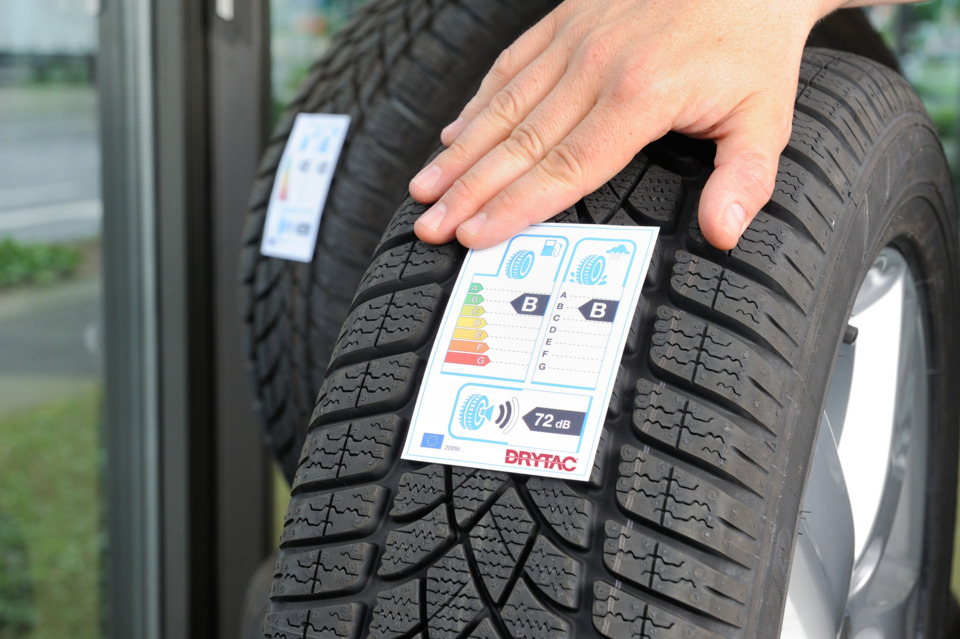
Freezer-grade adhesive coated labels that can withstand freezing temperatures and be applied in colder environments and removed are also in high demand, says Payam Baroudi, Drytac's technical sales manager of industrial coating.
Another key label segment is seen in “the rise of smart labels and security labels, which have become more widespread with the increase of technology and the need to track and control inventory and product,” Baroudi added. Satish points out that as customers are moving to smart labeling solutions, “there would be an incremental value growth in developed markets.”
Satish is seeing private labels take an increased share of the global market. Down gauging also is on the rise for higher yields and cost competitiveness, he adds.
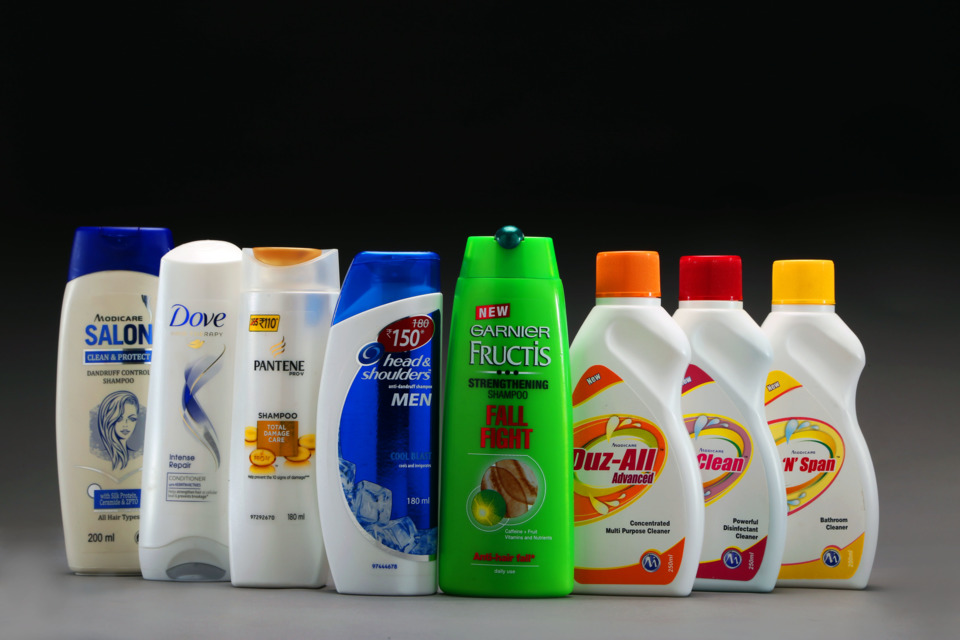
Satish notes that PS is bound to grow with the home and personal care segment. “Thinner HDPE and PET substrates would be in higher demand,” he said. “Down gauged film solutions would drive the decoration media.”
In-mould labeling and sleeving also have their own niche markets and see rapid growth.”
Satish sees a rise in the use of high-barrier films to rationalize laminates and enhance shelf life. Aluminum foil is rapidly being substituted by high barrier metalized films, he says, adding there is increasing demand for transparent high-barrier films for product visibility.
Among the trends in labeling noted by Baroudi is an increasing use of synthetic paper, that “while being around for more than 30 years, is gaining popularity with its tear-proof and paper-like properties.”
Digital printing is on the rise due to smaller runs and increasing number of SKUs, says Satish. He points out that the installation of digital printing across the globe has more than doubled, especially in matured markets.
“Inkjet is the key technology that would be gaining momentum in future,” Satish added.
“Not surprisingly, a lot of trends are dictated by the advancements in technology,” noted Baroudi. “For example, to satisfy consumer need for speedy delivery, a new generation of super-fast printers has emerged: the Memjet printers. As rewarding as speed can be, it can also be a challenge because high-speed printing does not allow enough time for inks to dry on traditional media stocks, therefore requiring approved ink-receptive media. Supply of this media is limited.”
Noting customization as Drytac’s strength, Baroudi says the company has successfully coated Memjet-approved media with various adhesives required for its end users’ specific applications in order to offer unique custom-coated solutions.
Print customers have a wide range of labeling needs and may not always understand the options in pressure sensitive substrates, notes Campbell.
The right adhesive makes all of the difference, Campbell points out. The two most common adhesive types due to their lower costs are rubber-based and acrylic-based. Rubber-based adhesives are water-resistant, have good initial tack, and adhere well to substrates like plastics, says Campbell, adding it also is an option when labels could potentially come into direct contact with consumable items. Acrylic-based adhesives offer chemical resistance, a wide range of temperature uses, and archival properties, he says, adding that they also have good chemical resistance, UV resistance, and flexibility.
“Modified acrylic adhesives possess better initial tack and adherence to low surface energy materials,” she said. “In some cases, modified acrylic can diminish resistance to UV exposure, plasticizers, and solvents. However, depending on the desired use, modified acrylics can be tailored to fit the application.”
Environment, surface, application, and distribution of pressure are factors to consider when making label choices. Environmental considerations include presence of humidity, chemicals, and the extreme temperatures a label will encounter in its life cycle. A substrate’s surface energy, surface, and contour are deciding factors in how the adhesive performs.
Regarding application, “since some adhesives require more time, pressure, or higher temperature to be applied, consider if the labels are to be applied by hand or by a machine,” said Campbell.
Going forward, Satish sees brand owners moving closer towards burgeoning trends such as down gauging, pack rationalization, packaging reduction, shorter product life cycles, more brand protection solutions, demand for eco-friendly substrates, and more personalized labeling and packaging.
Lifshitz sees growth in bio-polymer/paper combinations for composting and consumer attitudes on recyclable/sustainable packaging materials and products. “Consumers are playing a larger role in affecting product sales based on brand image and packaging,” he said.
Print service providers can provide the best substrate solution by asking questions that help uncover their label needs:
- How will the customer use the label?
- Will the label be placed on food packaging?
- How long does the label need to stay in place?
- Will the label be taken off and reapplied to another surface?
- What kind of environment will the label be exposed to and for how long?
- How will the label be applied?
- Will the label need die cutting? If so, the liner type is critical.