The New Face of Direct-to-Garment Printing
What do you need to add digital direct-to-substrate services (garment printing) to your printing arsenal?
Print service providers have been focused on print on demand for quite some time, taking advantage of the ability to produce short runs in an efficient manner and at a reduced cost. An additional avenue some printers may choose to consider is direct-to-garment printing, an updated version of the old silk screen process wherein garments needed to be printed in larger amounts to be cost effective while offering personalization.
Oftentimes when people think of printing garments, the first thing that comes to mind is the hometown baseball team’s jerseys or perhaps a restaurant uniform. With direct-to-garment printing, the PSP can create new relationships with a wide variety of clients that may have use for personalized garments from t-shirts to scarves, slip covers to blankets. The only limit is one’s imagination.
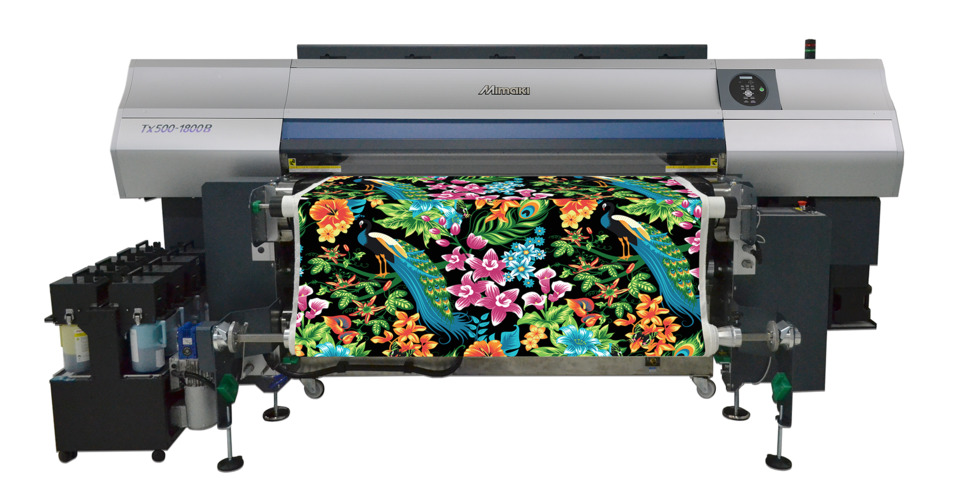
“With direct-to-substrate printing, PSPs can offer printing on a polyester, cotton, nylon, and silk for apparel, fashion accessories and home/office furnishings,” said Ken VanHorn, director of marketing and business development at Mimaki USA. “Direct-to-substrate printing also makes it possible to produce high quality double-sided flags and banners.”
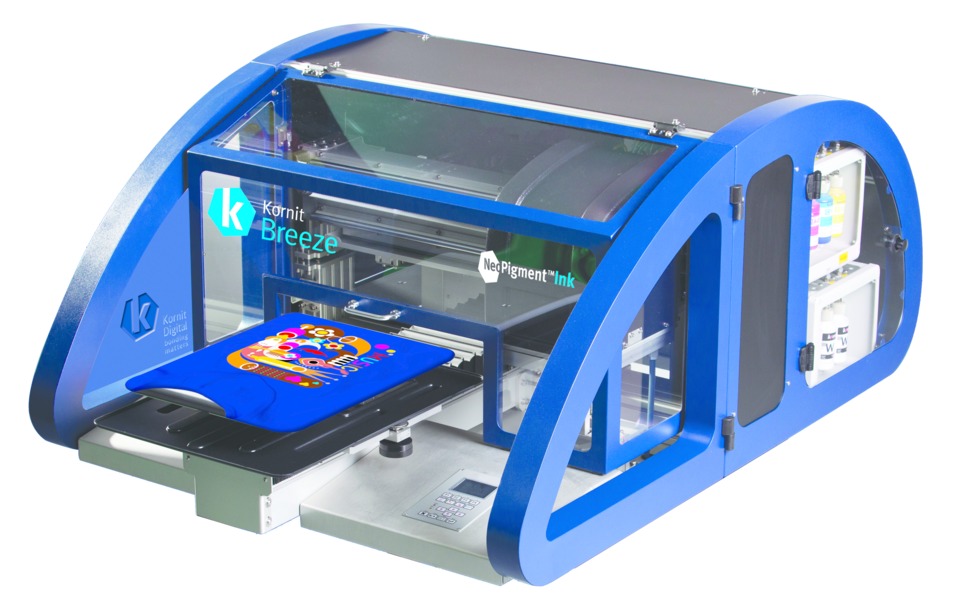
Paul Crocker, director of marketing at Anajet, said, “The great thing about Direct to Garment (DTG) printers is that it’s a great fit with “new to the industry” entrepreneurs, but it’s an even better fit for businesses already in the printing, apparel or signage industries to expand their business and stop outsourcing services their customers are wanting. DTG printers allow business owners to offer 100 percent custom garments at very low quantities (even a single custom t-shirt) with very low set up cost for each job. Simply load the graphic into the included software, make any adjustments needed and send to the printer. They can then print as few or as many garments as they need from there. This is quite different from the traditional screen-printing process which is difficult to profitably print any runs under 25-50 units.”
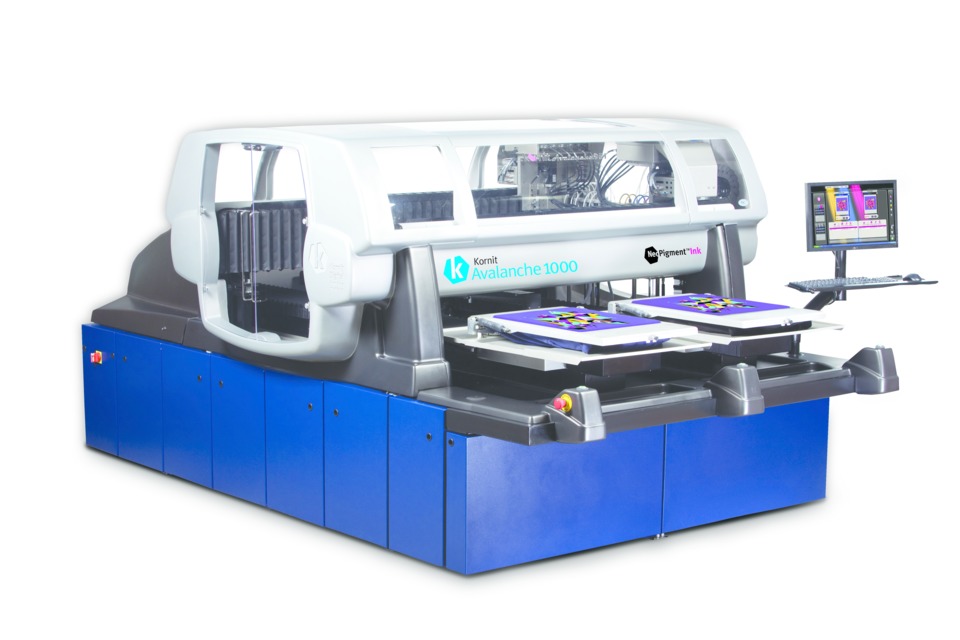
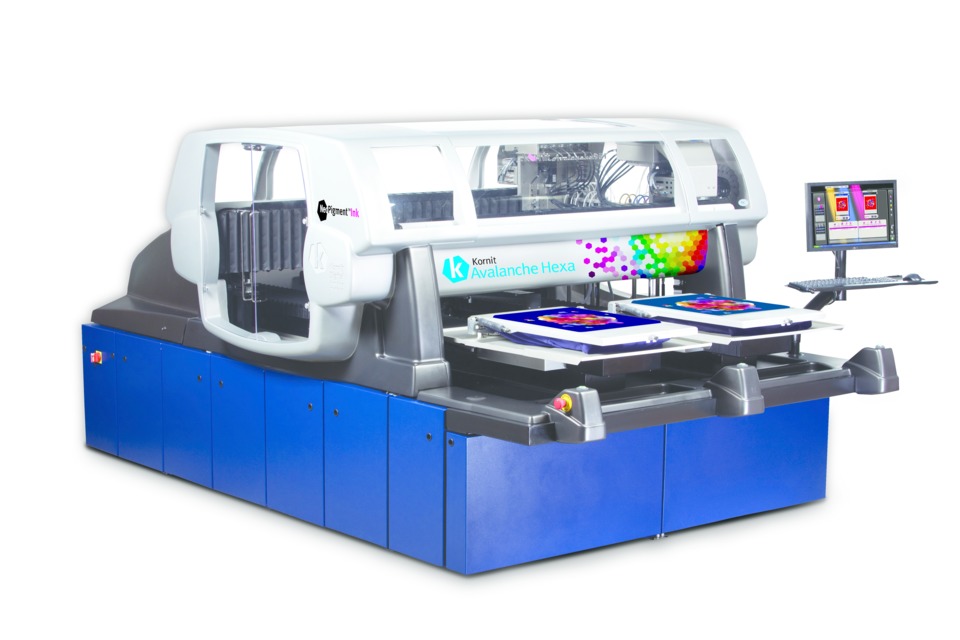
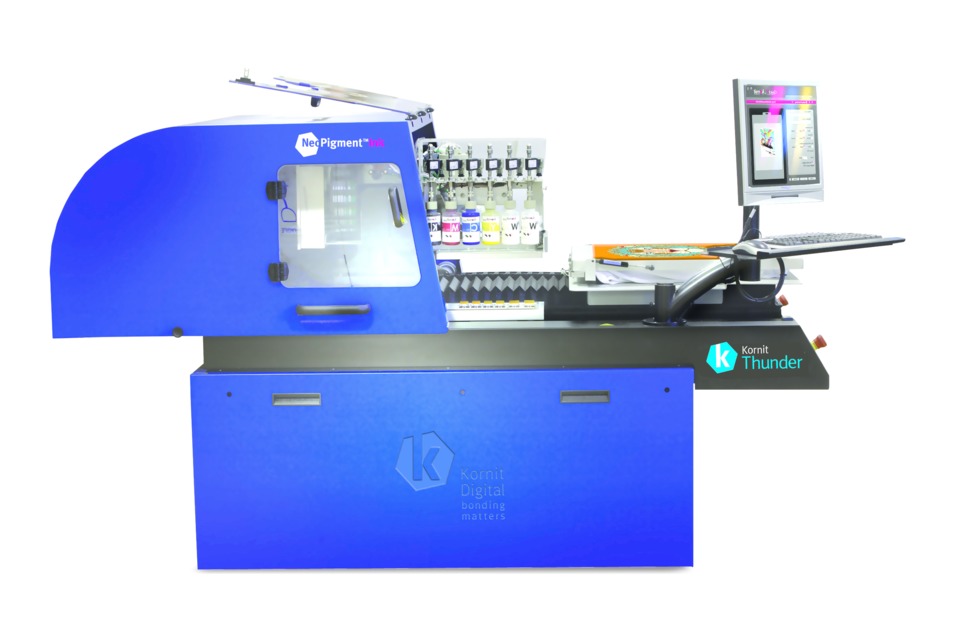
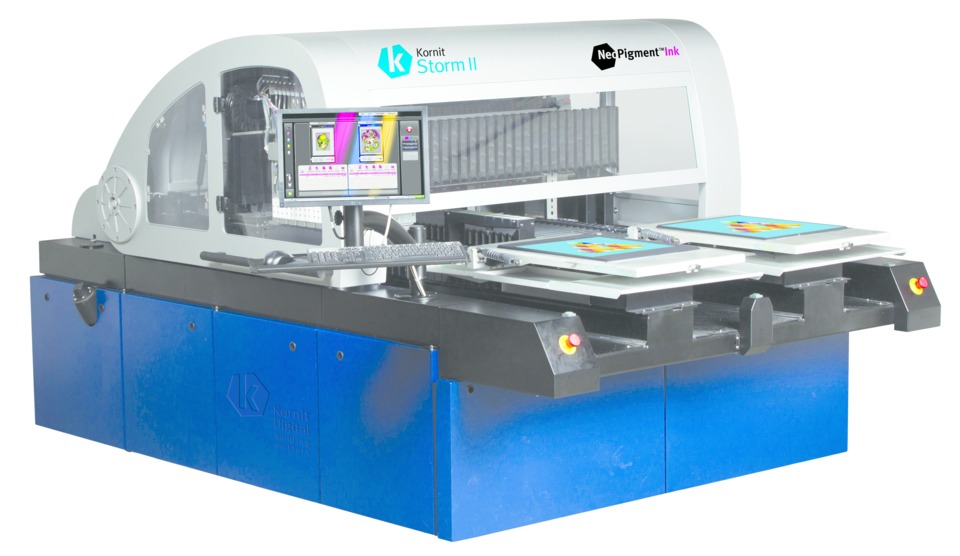
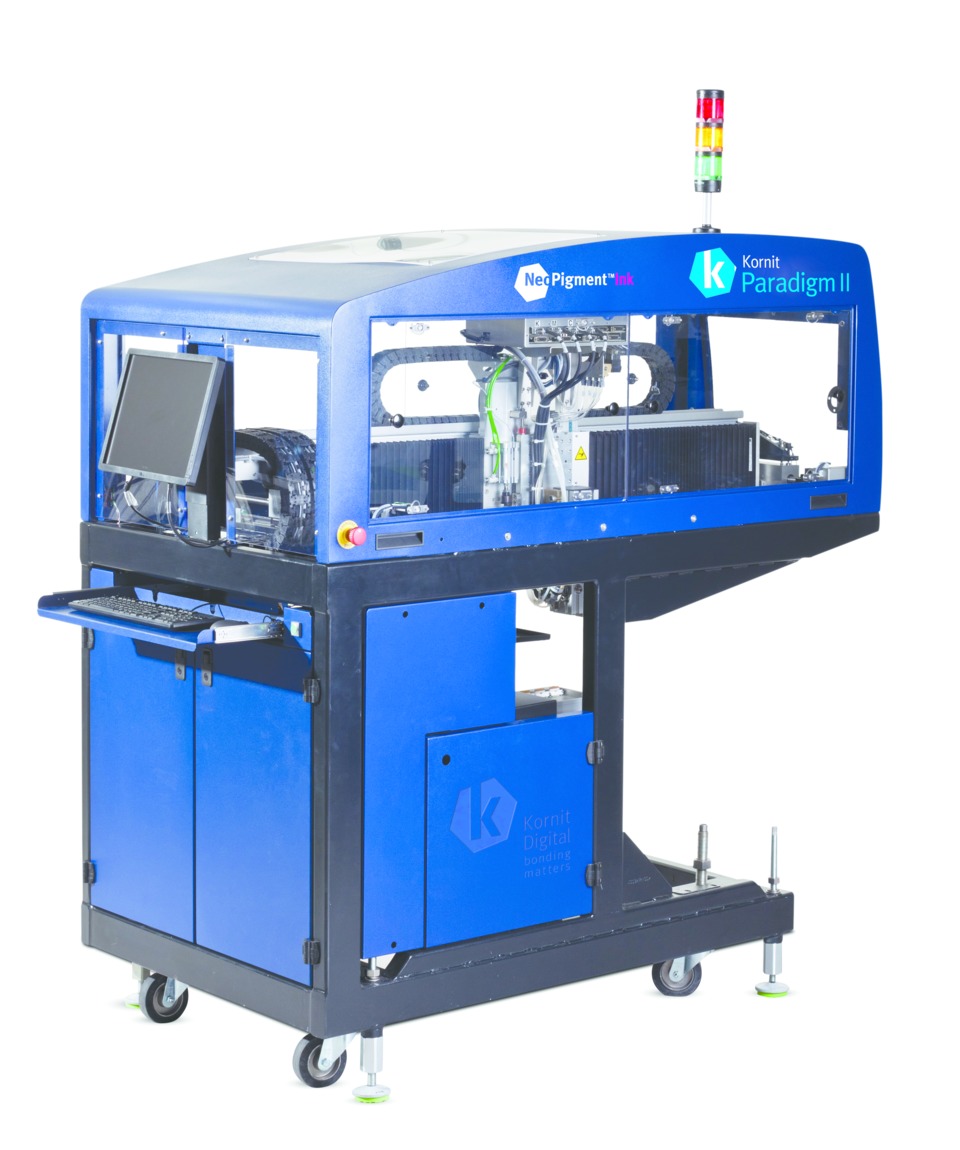
“A direct-to garment printing system makes a great investment for any print service provider because most of the know-how already exists,” stated Oliver Luedtke, marketing manager EMEA at Kornit Digital Europe. “RIPs, workflows, data management, print head maintenance, white ink printing—if you already have a digital printer, you know all that. However, garments as a substrate can be a bit tricky. There are so many different types of fibers, so many different ways to turn them into yarn, and so many different ways of turning the yarn into a garment. Enzymes and additives are often used to create the desired soft hand feel. Plus, most raw garments are shipped overseas so they will need be treated with preserving agents. This all multiplies up into a vast array of different materials and qualities on the market, so picking the right garment type and brand should be a focus area if you want to get into that business. You need to build up expertise in this area.”
The Right Recipe
As with baking the perfect pie, you must have the right recipe to create and build a lucrative direct-to-garment business. While a PSP may be well-versed in dealing with workflows, RIPS, and other processes vital to creating a saleable product, there are specific ingredients that can ensure a successful end product. Our experts give their advice on striking the correct balance.
VanHorn stated, “All direct to substrate printing requires a printing system with an incorporated fabric-handling system such as the Mimaki TX-500-1800B printing solution, which incorporates a belt conveyance system. For direct disperse printing, the PSP would additionally need a treated polyester fabric, which eliminates the need for transfer paper, a heat press and capabilities for washing the printed fabric to remove any residual ink on the fabric. Reactive and acid printing requires pretreated fabric as well as capabilities to steam and wash the printed fabric.”
Crocker said, “When looking for a DTG printer there are many factors to consider: How long is the learning curve? Is training provided? Does that company offer technical support? Also, make sure you have a plan set in place so you can achieve your ROI in a reasonable amount of time. Along with your DTG printer, you will need a method of curing the ink into the shirt to make it washable. You’ll either need a heat press or a tunnel drier to do this. Besides that, you’ll need to set up a work area where you are able to maintain a minimum humidity and temperature level. Most customers will need to use a humidifier to help keep the humidity up to the minimum level year around. You’ll also need an area to pretreat your dark shirts. Most of our customers simply use a Wagner paint spray gun (included with printer purchase) and hang dry their dark shirts, but other owners have chosen to go with special pretreatment equipment.”
“When investing in a direct-to-garment printer, you need to be sure that the machine’s production capacity is right for you,” stated Luedtke. “If the machine sits idle most of the day, it won’t work for your numbers, and it will consume more ink than necessary. However, if you manage to keep the machine busy, it will have an amazingly fast ROI and will help you to escape the margin battle that you face with most commodity print products.”
All of the experts suggest trying different techniques and angles to find the right niche for the client. After all, this printed item typically represents more than a company t-shirt or promotional giveaway—it represents an original concept, a brand.
Luedtke added, “By the way, you shouldn’t consider a printed shirt as just a printed shirt. In reality, it is a piece of fashion and an expression of individual style. When it comes to attracting new customers, attractive designs are as important as a good print quality. Try to make a connection with textile designers that can work up some unique pieces of fashion for you. Watch the market carefully—what kind of shirts are selling well in your country? Check places like the big online retailers in order to establish present day trends. And, take some time to ‘play’ with the machine and bring out the best effects and printing results.”